Nothing strikes more fear into a landowner than the threat of wildfire. While statistics vary, on average about 6 million acres of forest burn each year in the United States. While a huge chunk of this area is confined to wilderness and federal lands in the West, a good portion does occur in the East where forest land is owned by private individuals and companies.
I recently started a project on a property which was burned last year in a large wildfire. I have no idea how the fire started, or how many acres it burned, but it is clear that in some areas it was an intense, and destructive fire. But just how much damage to the timber did it do?
Here are some photographs.
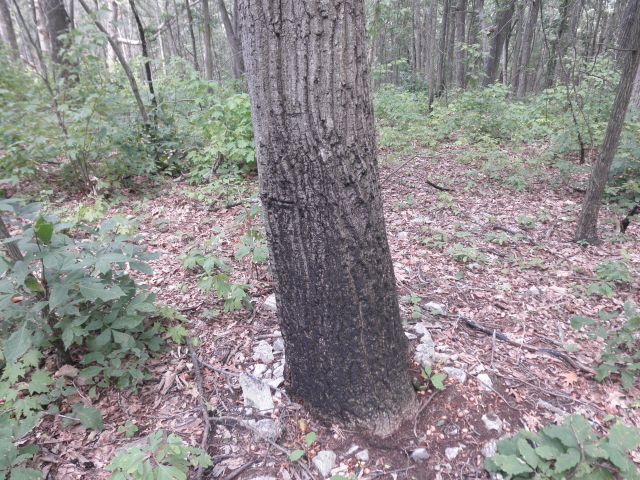
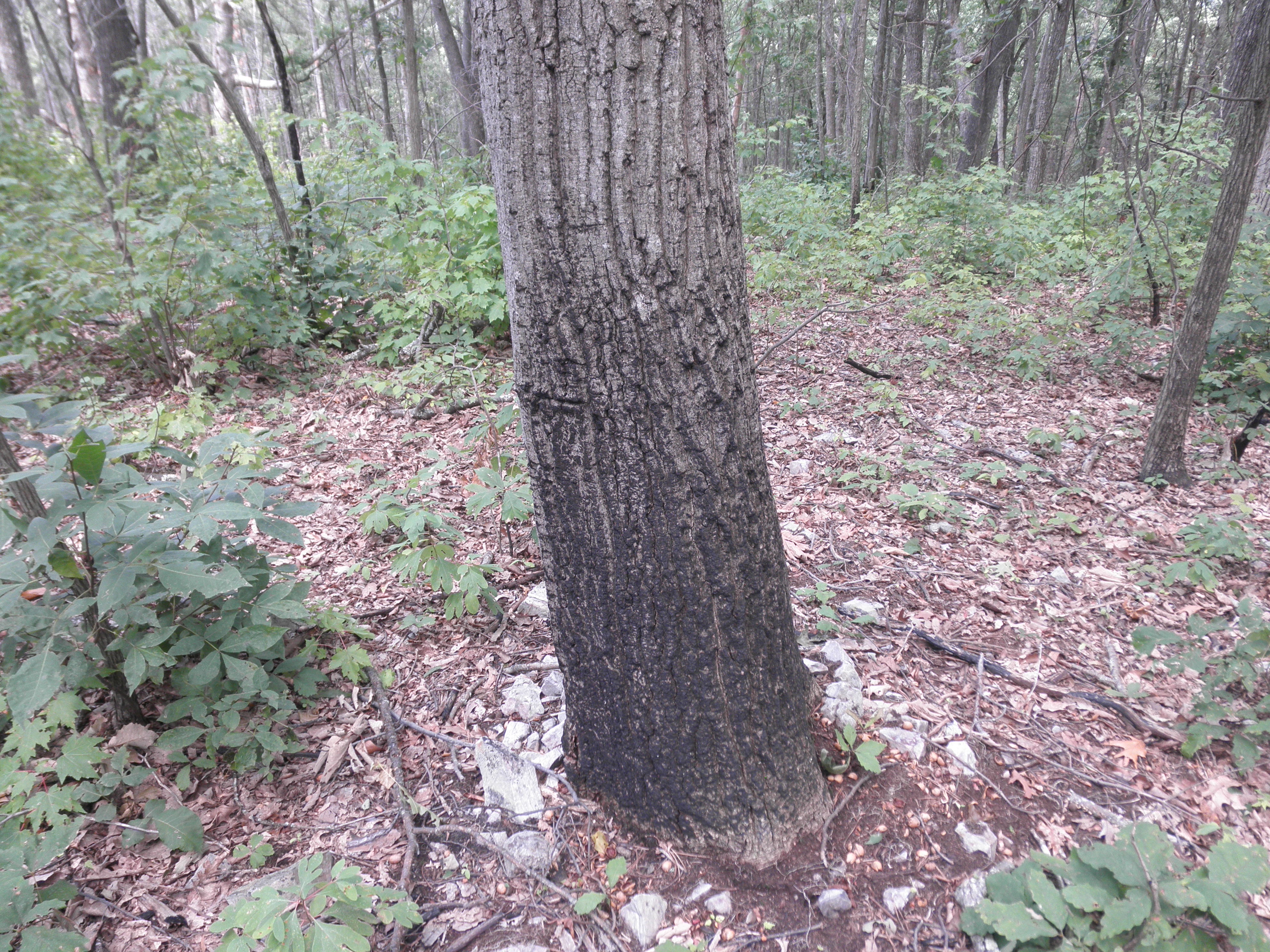
This is a species of an upland oak commonly called chestnut oak. While the butt of the tree exhibits burned up bark, the tree is remarkably unscathed. Oaks are rather adept at handling wildfire. If you look even more closely at the photo you can see the plethora of oak seedlings sprouting up.
You see in nature, forests must find a way to regenerate on their own. In many cases, they use a natural disturbance such as a fire to achieve this goal.
However, as you are about to see, this isn’t a panacea. Wildfire is potentially destructive.
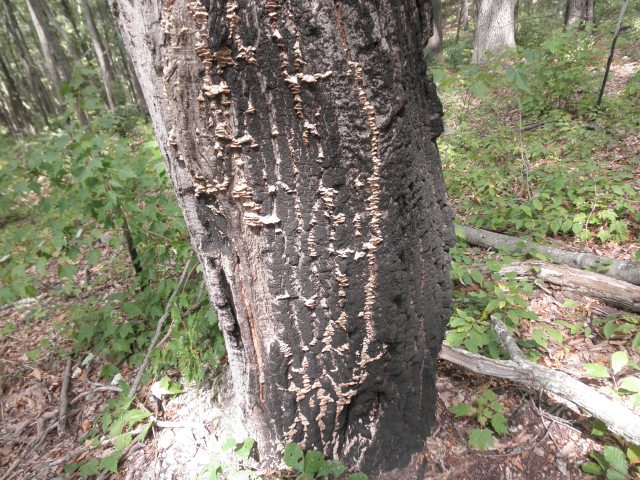
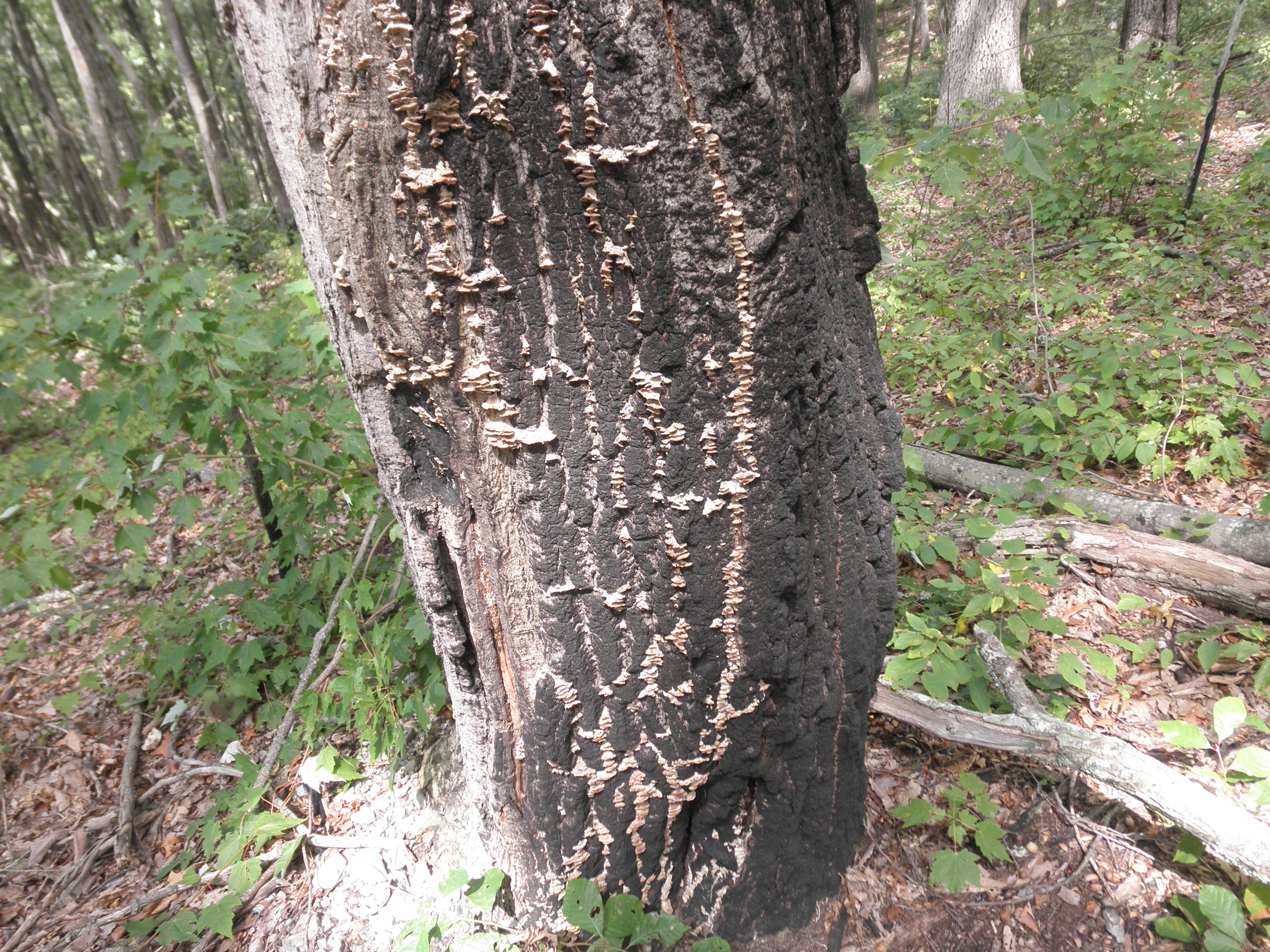
Here is another chestnut oak. This tree was not able to weather the fire like the one pictured above. The fire was hot enough to penetrate the bark and damage the cambium layer (growth tissue). You can now see where a fungus is growing on the outside of the bark and is most likely working on digesting a portion of the tree.
This tree will never recover from the damage. While it will likely continue to live, it’s merchantable value has been substantially diminished as the rot will continue up into a good portion of the bole, destroying the valuable wood within.
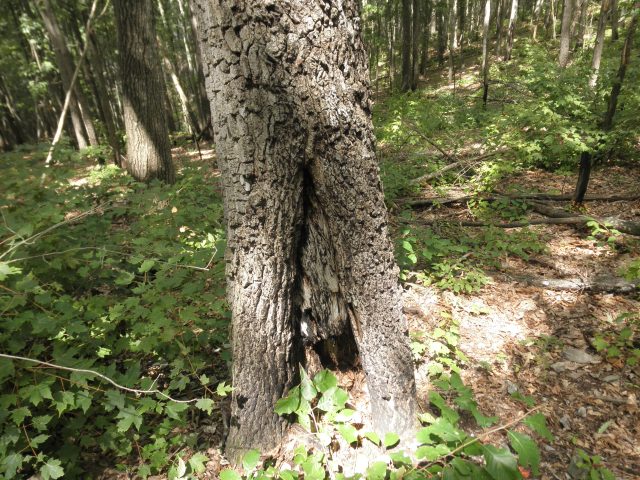
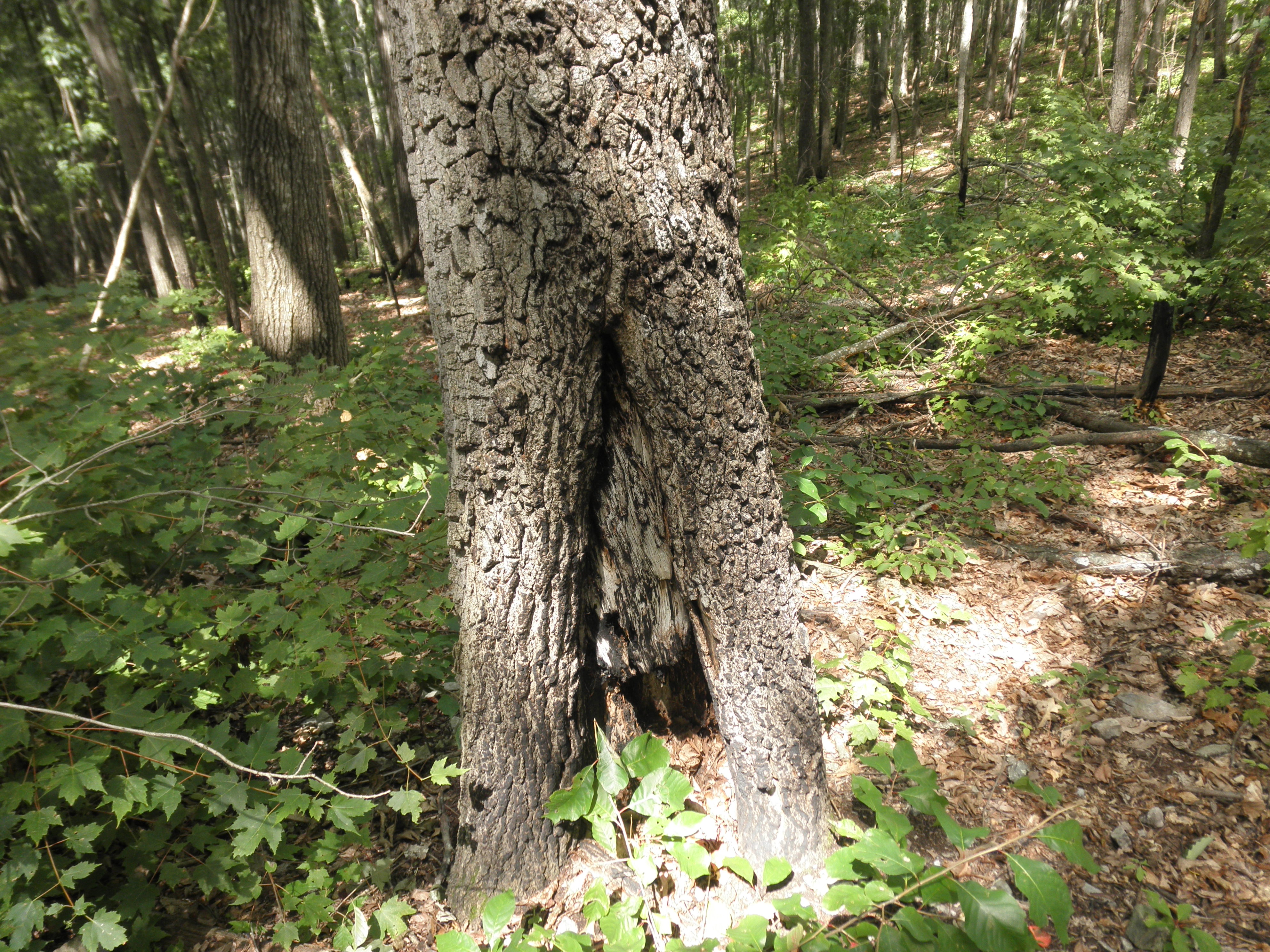
The image above is the likely result of the rot which is occurring in image #2. This represents an economic loss in at least 40% in the value of the tree as the most valuable wood is found in the first cut. Additionally, the life span of this tree is drastically reduced as a damaged butt is much more susceptible to ice and wind damage than a tree which has one that is intact.
While its destructive properties are well documented, lets take a time out and look at a few positives of wildfire. I’ve already mentioned that it helps some species reproduce, however it is also an important tool in managing wildlife habitat.
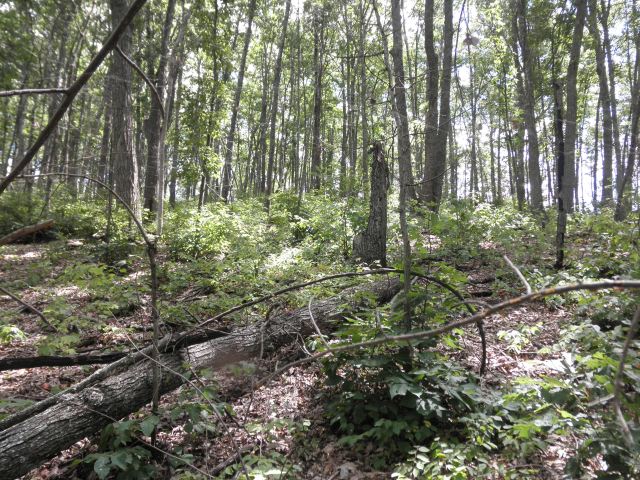
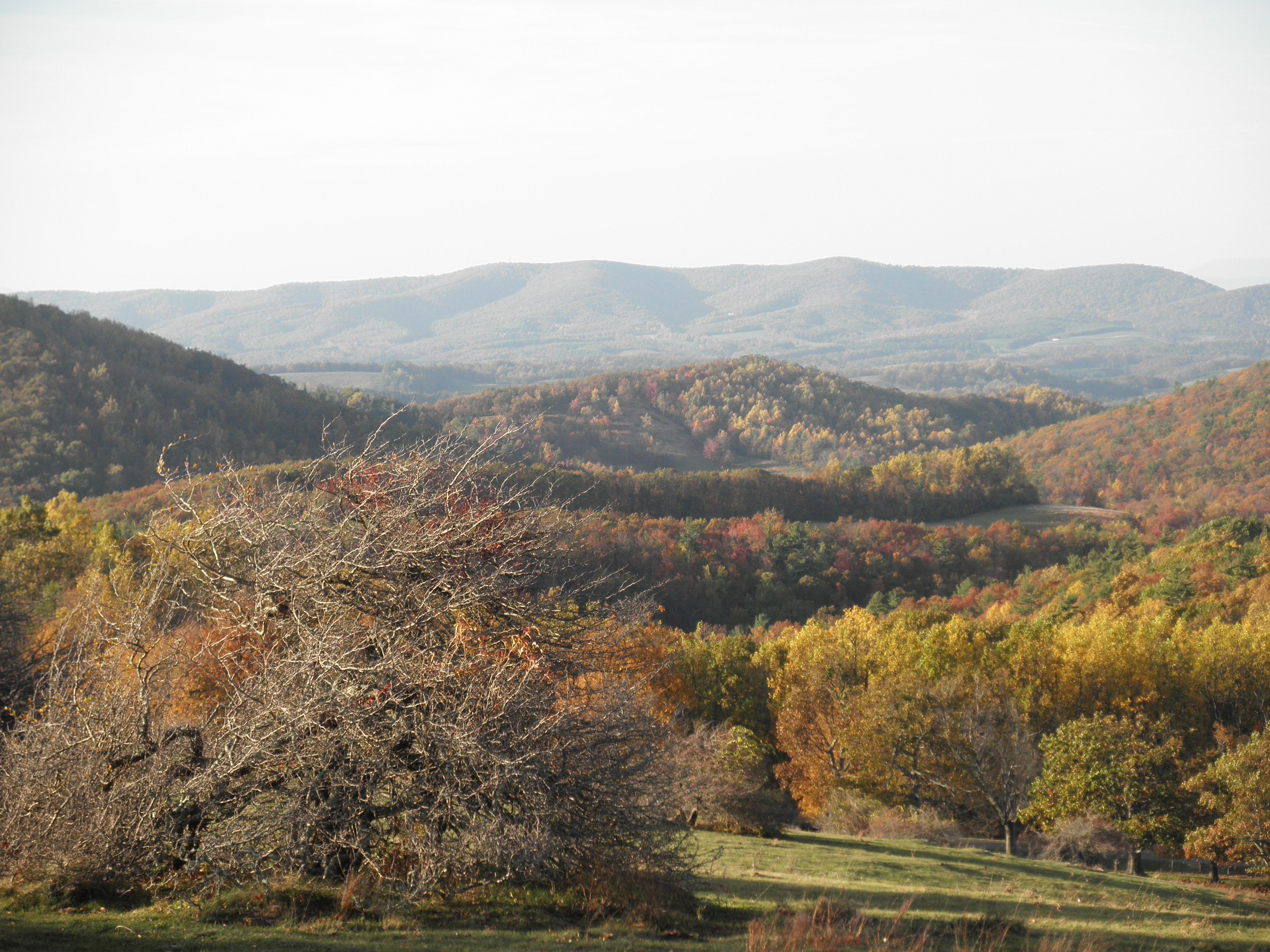
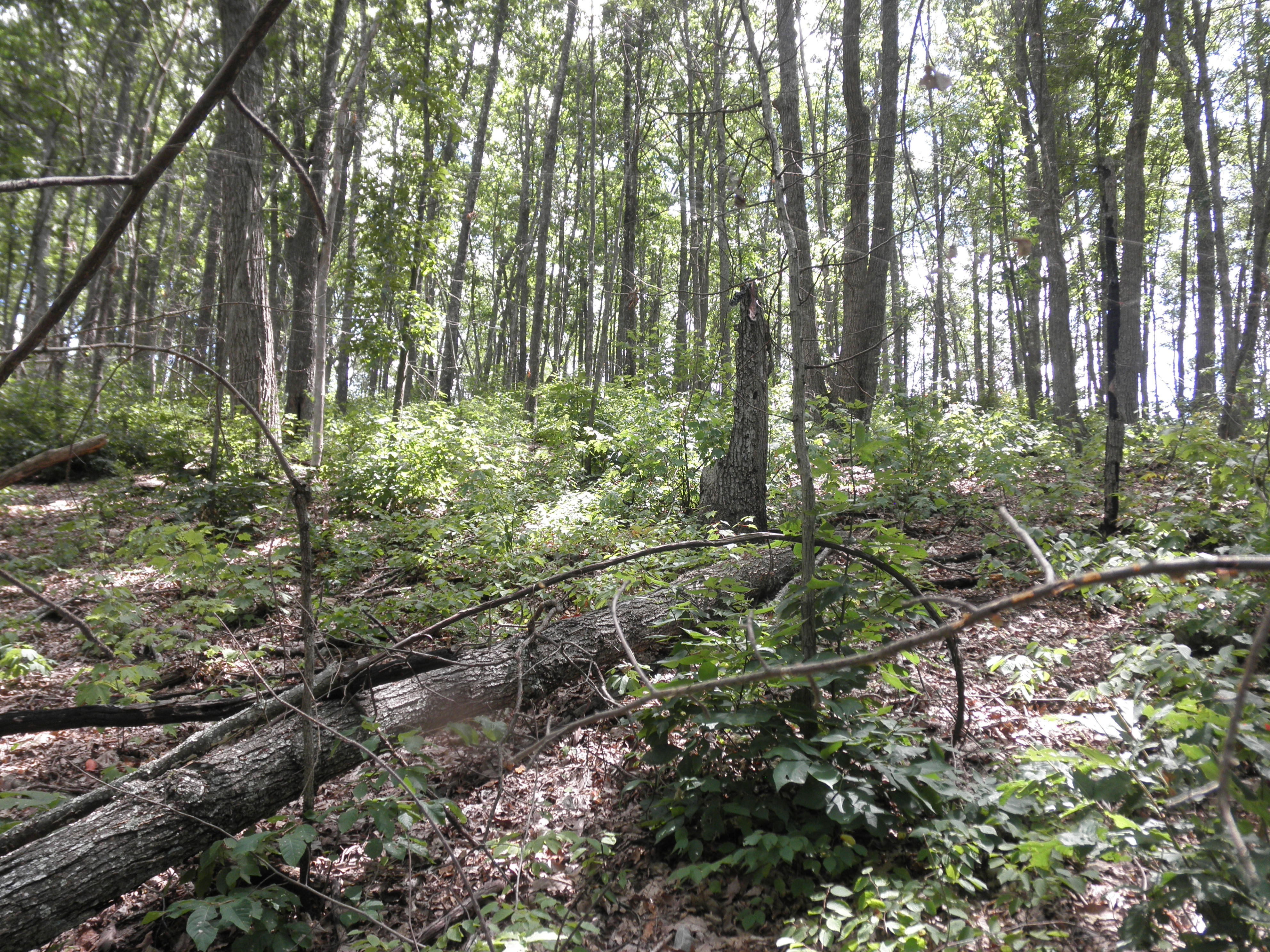
If you notice a common theme with all of the posted pictures, and in particular the picture directly above, you will notice all of the fresh, green vegetation sprouting up. This is what good wildlife habitat is supposed to look like. Fresh green browse for deer, brambles and berries for bear and grouse, escape habitat for turkey, I could go on but I think the point is clear. Fire, while it can destructive, can also be used as a tool to enhance resources of a property. I’m willing to bet, just by looking at this property that aside from a fall acorn crop, this property probably did not hold wildlife year round. Now, thanks to this fire, wildlife can be seen year round.
If you have any questions about the condition of your property, give us a call and we can assess what might be best for you.
Nathan R. Green Consulting Forester N R Green Resource Consulting, LLC
greenresourceconsulting@gmail.com
540-998-4712


 N. R. Green Resource Consulting, LLC